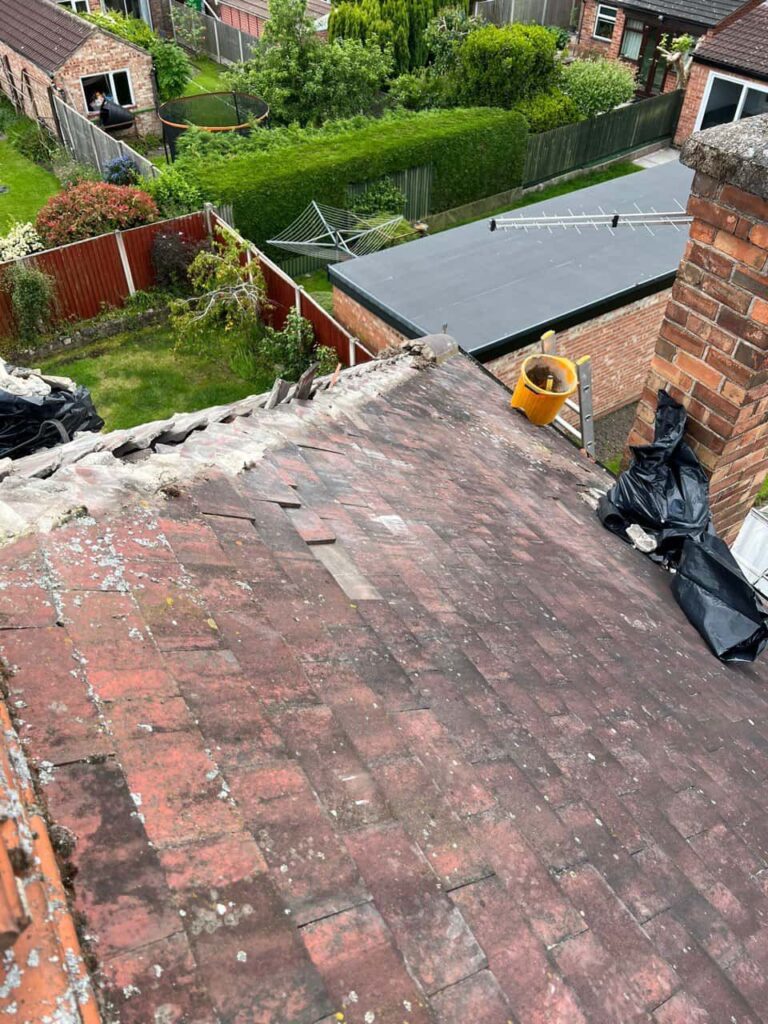
Lead flashing is one of the most important components of a roofing system. It creates a watertight seal around vulnerable areas such as chimneys, roof valleys, abutments and roof junctions, helping to prevent rainwater from penetrating the property. When lead flashing is installed correctly, it can provide many years of reliable protection. However, like any roofing material, it can eventually develop problems if exposed to certain conditions.
For homeowners in Caterham, Surrey, understanding what causes lead flashing to crack or separate can help identify issues early and prevent more serious roof damage from developing.
What Is Lead Flashing?
Lead flashing is a flexible material used to seal areas where different parts of a roof meet.
It is commonly found around:
- Chimneys
- Dormer windows
- Roof valleys
- Wall abutments
- Roof penetrations
Its purpose is to direct water away from vulnerable joints and prevent leaks from entering the roof structure.
Natural Expansion and Contraction
One of the most common causes of lead flashing failure is the constant expansion and contraction caused by changing temperatures.
Throughout the year, lead is exposed to:
- Warm summer temperatures
- Cold winter conditions
- Daily temperature fluctuations
Over time, repeated movement can place stress on the material and may eventually lead to cracking or separation if the flashing is unable to move as intended.
Age-Related Wear
Although lead is highly durable, it does not last indefinitely.
As flashing ages, it can become more susceptible to:
- Surface fatigue
- Small fractures
- Joint separation
- General deterioration
Older flashing should be inspected periodically to ensure it continues to provide effective protection.
Poor Installation Practices
Many lead flashing problems originate from incorrect installation.
Common installation issues include:
- Inadequate fixing methods
- Incorrect sizing
- Poor joint formation
- Insufficient allowance for movement
When flashing is not installed according to best practices, it may be more likely to crack or pull away from surrounding materials.
Movement in the Building Structure
Buildings naturally settle and move over time.
Structural movement can place additional stress on flashing located around:
- Chimneys
- Roof junctions
- Brickwork interfaces
As the surrounding materials shift, the lead flashing may begin to separate from its original position, creating gaps where water can enter.
Storm and Weather Damage
Strong winds and severe weather can affect lead flashing, particularly if it has already weakened through age or previous damage.
Adverse weather may contribute to:
- Lifted flashing sections
- Loose fixings
- Cracked joints
- Separation from masonry
Following major storms, it is often advisable to inspect vulnerable roof areas.
Deterioration of Mortar Joints
Lead flashing is frequently secured into mortar joints around chimneys and walls.
If the mortar begins to deteriorate, it can result in:
- Loose flashing
- Water penetration
- Reduced stability
- Separation from surrounding structures
In some cases, the flashing itself may remain in good condition while the supporting mortar requires attention.
Inadequate Maintenance
Minor flashing defects are often easy to repair when identified early.
However, if maintenance is neglected, small issues can develop into more significant problems.
Regular inspections help identify:
- Early cracks
- Loose sections
- Signs of separation
- Areas vulnerable to water ingress
Preventative maintenance often extends the lifespan of roof components.
How to Spot Lead Flashing Problems
Homeowners should watch for warning signs that may indicate flashing issues.
Common symptoms include:
- Damp patches near chimneys
- Water stains on ceilings
- Visible gaps around flashing
- Loose lead sections
- Mortar deterioration
- Leaks during heavy rain
If any of these signs are present, professional assessment is recommended.
Why Prompt Repairs Matter
Damaged flashing can allow water to enter areas of the roof that are designed to remain dry.
Without timely repairs, this may lead to:
- Roof leaks
- Damp conditions
- Timber deterioration
- Damage to insulation
- Internal staining
Addressing flashing problems early helps prevent wider roofing issues from developing.
Why Choose Caterham Roofing Repairs?
At Caterham Roofing Repairs, we provide professional lead flashing repairs and roofing services throughout Caterham, Surrey. Our experienced team carefully assesses flashing defects, identifies the root cause of the problem and carries out high-quality repairs designed to restore reliable weather protection to your roof.
Conclusion
Lead flashing plays a critical role in keeping roofs watertight, but factors such as age, temperature changes, structural movement, poor installation and weather exposure can all contribute to cracking or separation. Identifying and repairing these issues early helps protect the roof and prevent more extensive damage.
For homeowners in Caterham, Surrey, regular roof inspections and prompt flashing repairs can make a significant difference to the long-term performance of the roofing system. If you have noticed signs of damaged lead flashing, Caterham Roofing Repairs can provide expert advice and professional repair solutions tailored to your property’s needs.
Call us on: 01883 770 797
Click here to find out more about Caterham Roofing Repairs
Click here to complete our contact form and see how we can help with your roofing needs.