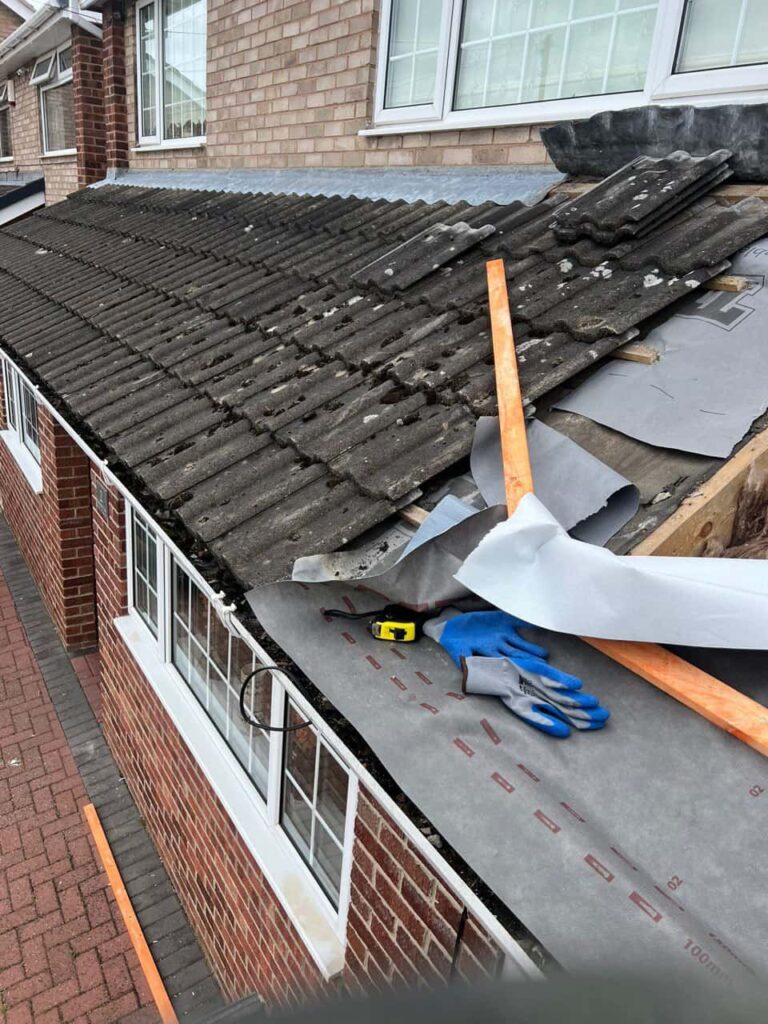
For homeowners in Caterham, Surrey, strong winds and seasonal storms can place significant strain on roofing systems throughout the year. While roofs are designed to withstand changing weather conditions, prolonged exposure to high winds can gradually weaken roof tiles, flashing, and other essential components. Even relatively minor wind damage can quickly develop into more serious roofing problems if not identified and repaired promptly.
At Caterham Roofing Repairs, we provide professional roofing inspections and repair services designed to protect homes from weather-related damage and maintain reliable long-term roof performance.
Why Roofs Are Vulnerable to High Winds
Roofs are constantly exposed to open weather conditions, making them one of the most vulnerable parts of any property during storms and strong winds. Wind pressure affects roofing materials differently depending on the age of the roof, the condition of the materials, and the strength of previous installations.
High winds can gradually weaken:
- Roof tiles and slates
- Ridge tiles and mortar
- Lead flashing around joints and chimneys
- Roof edges and guttering
Regular inspections help identify early signs of movement or deterioration before serious issues develop.
How Wind Lifts Roof Tiles
One of the most common effects of high winds is the lifting or displacement of roof tiles. Wind pressure can work beneath loose or ageing tiles, gradually weakening their position until they shift or become detached.
This may result in:
- Cracked or slipped tiles
- Gaps within the roof covering
- Increased exposure to rainwater
Once tiles become loose, surrounding sections of the roof may also become more vulnerable during future storms.
Missing Tiles Can Lead to Water Damage
When wind removes roof tiles completely, the protective outer layer of the roof becomes exposed. This allows rainwater to penetrate the roofing structure far more easily.
Water ingress caused by missing tiles may lead to:
- Damp loft spaces
- Internal leaks and ceiling stains
- Damage to insulation and timber structures
- Increased moisture within the property
Prompt repairs help prevent water damage from spreading further.
Flashing Is Particularly Vulnerable During Storms
Roof flashing is installed around chimneys, valleys, roof joints, and other vulnerable areas to create waterproof seals. Because flashing is often positioned at exposed roof junctions, it can be particularly susceptible to wind damage.
High winds may cause flashing to:
- Lift away from roof surfaces
- Crack or separate at joints
- Become loose around chimneys or walls
Damaged flashing often creates hidden entry points for water penetration.
Ageing Roofs Are More Susceptible to Wind Damage
Older roofs naturally become more vulnerable to strong winds as materials weaken over time. Mortar may deteriorate, tiles may loosen, and flashing can become less secure after years of exposure to changing weather conditions.
Common signs of ageing roof vulnerability include:
- Loose ridge tiles
- Crumbling mortar joints
- Previously repaired sections showing movement
- Minor leaks after storms
Routine maintenance helps strengthen ageing roofs before severe weather causes larger problems.
Wind Damage Is Not Always Immediately Visible
Some roofing problems caused by high winds are not always obvious from ground level. Small gaps, lifted flashing, or partially displaced tiles may initially go unnoticed while still allowing moisture to enter the roof structure.
Hidden wind damage may gradually cause:
- Slow-developing leaks
- Dampness within loft spaces
- Long-term timber deterioration
- Increased roof instability over time
Professional inspections after storms help identify these issues early.
Loose Debris Can Cause Additional Roof Damage
During periods of strong wind, nearby debris such as branches or airborne objects may strike the roof surface. This impact can crack tiles, damage flashing, or weaken roof edges.
Storm debris may contribute to:
- Broken or fractured tiles
- Damaged roof valleys and joints
- Gutter movement and blockage
Early repairs help prevent secondary problems developing after severe weather.
Preventative Roof Maintenance Is Essential
While storms cannot be avoided, regular roof maintenance significantly reduces the likelihood of major wind-related damage. Identifying weak areas before severe weather arrives helps maintain the strength and reliability of the roof.
Preventative maintenance may include:
- Replacing loose or damaged tiles
- Securing flashing and ridge lines
- Inspecting vulnerable roof junctions
- Clearing gutters and drainage systems
Routine inspections are especially important after periods of severe weather.
Why Professional Roofing Repairs Matter
Wind-damaged roofs require professional assessment to ensure repairs are carried out safely and correctly. Temporary fixes or overlooked damage may allow problems to worsen over time.
At Caterham Roofing Repairs, we provide:
- Professional roof inspections and storm damage assessments
- Roof tile and flashing repairs
- Leak detection and weatherproofing solutions
- Reliable roofing services throughout Caterham, Surrey
Our aim is to help homeowners maintain safe, secure, and weather-resistant roofs all year round.
Conclusion
High winds can cause significant damage to roof tiles, flashing, and other roofing components by loosening materials, creating gaps, and exposing the roof structure to moisture penetration. Even small areas of wind damage can quickly develop into larger roofing problems if left untreated.
For homeowners in Caterham, Surrey, regular roof inspections and prompt professional repairs are essential for protecting the property from weather-related deterioration. At Caterham Roofing Repairs, we are committed to delivering dependable roofing services designed to keep homes dry, secure, and structurally protected throughout every season.
Call us on: 01883 770 797
Click here to find out more about Caterham Roofing Repairs
Click here to complete our contact form and see how we can help with your roofing needs.